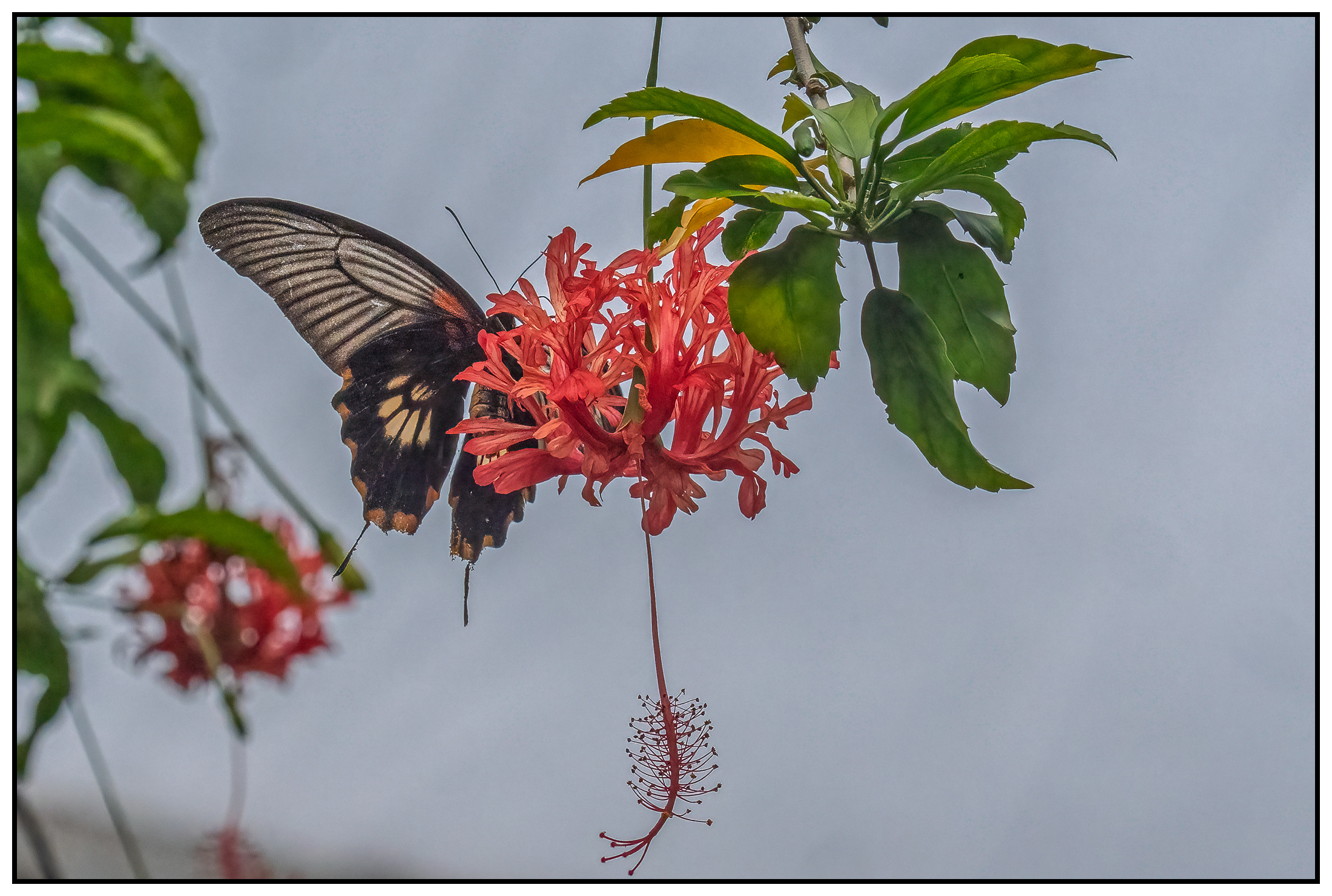
Nature Photography: A Genre of Endless VarietyNature photography is arguably one of the most versatile and beloved genres in the photographic world. It is a theme in constant motion, simply because nature never reveals itself the exact same way twice. From the grand scale of a mountain landscape to the microscopic details of an insect's wing, nature photography offers endless avenues for exploration. Below is an overview of the key subgenres The Many Faces of Nature Photography
1. Landscape Photography: The Grand ScaleLandscape photography is all about capturing the vastness, mood, and atmosphere of the great outdoors. Think of misty forests at sunrise, dramatic seascapes crashing against cliffs, or expansive desert dunes.
2. Wildlife Photography: Patience and ActionThis is where excitement and adrenaline come into play. Documenting animals in their natural habitat requires immense patience, a deep understanding of animal behavior, and a healthy dose of luck.
3. Macro Photography: The Invisible WorldAt the opposite end of the spectrum lies macro photography. This subgenre zooms in on details that are nearly invisible to the naked eye—a dewdrop on a blade of grass, the texture of a mushroom, or the delicate, iridescent structure of a mosquito's wing.
4. Creative and Abstract Nature PhotographyNature photography does not always have to be purely documentary; many photographers use the natural world as an artistic canvas.
The Common Thread: Ethics and RespectNo matter which branch of nature photography you choose to pursue, one golden rule applies across the board: the well-being of nature always comes before the photograph. Whether you are waiting for a bird to take flight or framing the intricate details of a mosquito's wing in the morning dew, a deep respect for flora and fauna is what defines a true nature photographer. Ultimately, it is a genre that teaches you to truly observe rather than just look, capturing the beautiful complexity of our world in a single frame. |